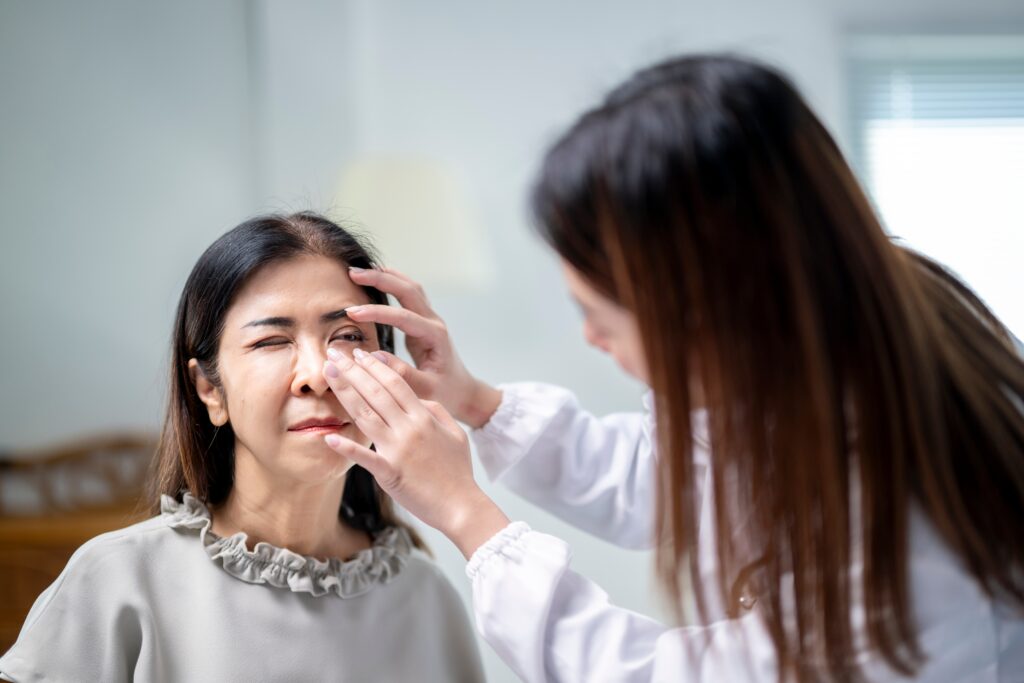
Caring for a prosthetic eye is part of everyday life for many people. However, it’s not always something those people feel confident about, especially at the beginning. The good news is that with the right habits, maintenance is straightforward. So, let’s explore how to care for a prosthetic eye in a way that prevents irritation and minimizes the risk of eye infection.
Understanding Prosthetic Eyes
A prosthetic eye is designed to restore the appearance of a natural eye after loss or removal. It’s important to be clear about one point: a prosthetic eye does not restore vision. Instead, its purpose is cosmetic and structural.
Why Proper Care Matters
Properly caring for your prosthetic eye is important. The surface of the prosthesis can accumulate protein deposits and debris over time; this buildup can affect how the eye moves, how it feels, and how it looks. Poor hygiene can also irritate the surrounding tissue.
Daily Care Tips for Your Prosthetic Eye
Most day-to-day care is simple and doesn’t require removing the prosthetic.
A few intentional habits go a long way:
- Wash your hands before touching the eye area
- Gently clean your eyelids to remove any discharge
- Avoid unnecessary touching or removal of the prosthesis
How to Clean a Prosthetic Eye Safely
When cleaning is needed, it should be done carefully.
- Wash your hands thoroughly and gently remove the prosthesis.
- Rinse it with a recommended solution (usually sterile saline or clean water) and avoid harsh soaps or chemicals.
- Use a dry cloth to clean the eye rather than rough materials.
When Should You Remove Your Prosthetic Eye?
Not everyone needs to remove their prosthetic eye daily. In many cases, it can stay in place for extended periods, with occasional removal for cleaning or comfort. The exact routine depends on your individual situation, including how your eye responds and your provider’s recommendations.
Signs You Should See Your Eye Care Professional
There are a few signs that can indicate infection, inflammation, or changes in the eye socket that need attention. Watch for:
- Increased or unusual discharge
- Redness or persistent irritation
- An uncomfortable fit
- Visible changes in the appearance of the eye
The Importance of Regular Professional Checkups
Over time, prosthetic eyes can develop small surface imperfections or lose their polish – so regular checkups are important. These visits help prevent minor issues from turning into more uncomfortable problems later on. Your eye care professional can:
- Professionally clean and polish the prosthesis
- Check how the prosthesis fits and make adjustments if needed
- Assess the health of the surrounding tissue
Protecting Your Eye and Staying Comfortable
Protective eyewear can help shield the area from dust, wind, and impact, while lubricating drops may be recommended if dryness is an issue, especially in colder or drier climates.
Your environment, including air quality, allergens, and seasonal changes, can also affect how the eye feels.
Supporting Long-Term Eye Health
With good hygiene, occasional cleaning, and regular professional checkups at Laurier Optical, most people find that their prosthetic remains comfortable and natural-looking for years. If you have questions or need support, the team at Laurier Optical is always available to help you maintain and care for your prosthetic with confidence. Connect with us today.