No one likes getting pink eye – it burns, itches, looks unattractive, and can last for weeks. But when you get pink eye, it’s important to avoid touching your eyes so you don’t end up spreading the infection to others. These seven steps can help reduce the risk of spreading conjunctivitis at home, school, or work.
Contents
What Causes Pink Eye?
Pink eye, or conjunctivitis, occurs when the thin tissue covering the white of the eye becomes inflamed. Viral conjunctivitis is usually linked to seasonal illnesses, bacterial cases stem from microbes entering the eye, and allergic conjunctivitis is triggered by environmental allergens.
Understanding the Different Types of Pink Eye
Proper diagnosis of the type of pink eye prevents unnecessary antibiotic use and ensures irritation is managed correctly:
- Viral conjunctivitis is the most common type and tends to spread easily through contact with shared surfaces or through respiratory droplets.
- Bacterial conjunctivitis often produces thicker discharge and may require prescription treatment.
- Allergic conjunctivitis isn’t contagious, but the irritation can look similar to infectious cases, which is why identifying the type matters.
How Pink Eye Spreads (And Why It’s So Contagious)
The infection moves quickly because most people touch their eyes without thinking. Germs transfer from hands to doorknobs, keyboards, phones, remote controls, towels, and bedding. Classrooms and offices make it easy for conjunctivitis to spread, especially during cold and flu season. Once contaminated, a surface can pass the virus or bacteria to several people in a short period of time.
How to Prevent the Spread of Pink Eye
1. Avoid Sharing Personal Items
One of the best ways to avoid spreading pink eye is to never share personal items with others. This includes makeup, face cloths, towels, and pillows. This can prevent the bacteria that cause pink eye from being passed on from one person to another.
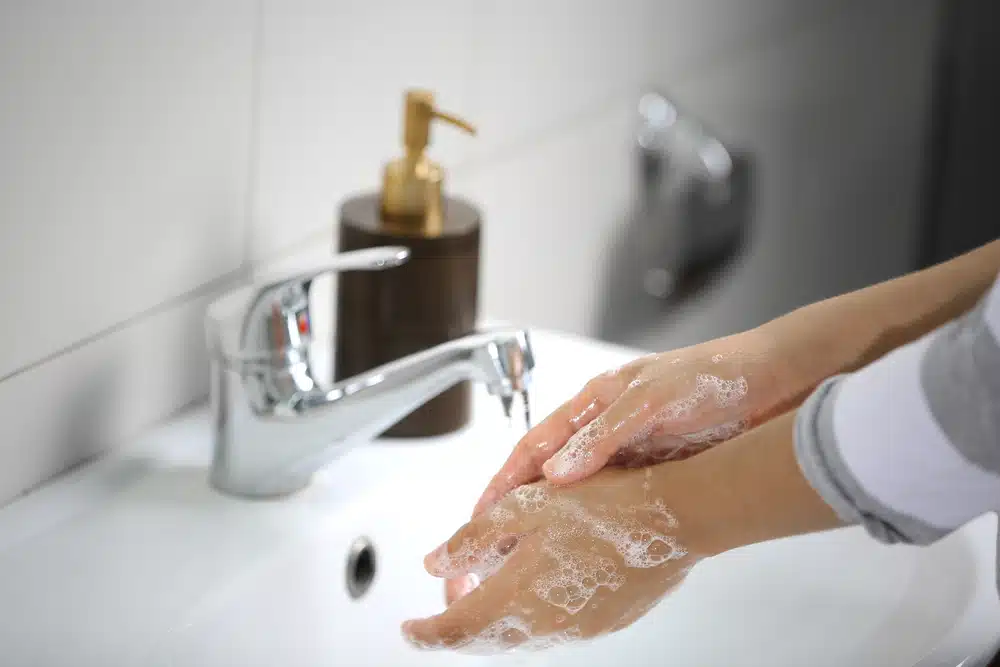
2. Wash Hands Often
When out in public spaces, make sure you wash your hands often. Pink eye is highly contagious and can spread easily through contact from our eyes to our hands. Simply by touching elevator buttons, handrails, doorknobs, or money and then touching your eyes, you can quickly transfer pink eye germs to others. So, wash your hands frequently and keep a travel hand sanitizer available to avoid spreading bacteria.
3. Avoid Rubbing Your Eye
If you get an itch, avoid touching your eye with your hands. Instead, get a cloth and add warm water to wipe your eye gently. Just remember to wash the cloth afterward to prevent spreading.
4. Wash Discharge from Your Eye
You can also prevent the spread of pink eye by washing the discharge from your eyes several times a day. Simply use a cotton ball or wet washcloth and wipe the inside corner and outside corner of your eye. Make sure that you throw out the cotton ball and wash the towel thoroughly, so others don’t use it again by mistake.
5. Throw Away and Clean Items After
After the pink eye is gone, make sure to wash all your sheets, pillowcases, towels, as well as your eyewear and sunglasses. If you wear contacts, throw out any contacts you were using before you contracted pink eye, as well as any contact solution.
6. Clean Surfaces in Your Home
Many of the surfaces in our home have frequent contact with our hands and can contain traces of the conjunctivitis bacteria. Make it a habit to clean surfaces frequently that are often touched – countertops, phones, faucets, doorknobs, keyboards, and cupboards.
7. Wear Goggles When Swimming
Bacteria are easily spread throughout water. By purchasing swim goggles, you can help protect your eyes and others from any conjunctivitis-causing germs that may be in the water.
When You Should Stay Home
If your eye is actively producing discharge, looks significantly red, or you’re struggling to keep it open comfortably, it’s best to stay home until symptoms improve.
Safe Ways to Soothe Pink Eye Symptoms at Home
There are several ways you can ease your symptoms while at home:
- Warm or cool compresses. Warm compresses can loosen discharge and ease discomfort in viral or bacterial cases. For allergy-related conjunctivitis, cool compresses often feel better.
- Artificial tears. Preservative-free artificial tears help dilute irritants and support moisture levels.
- No eye makeup. Avoid eye makeup until symptoms resolve, since it can trap bacteria.
- Staying hydrated. Drinking water and using a humidifier may also reduce dryness.
What Not to Do When You Have Pink Eye
Skip contact lenses until your optometrist confirms it’s safe to resume wearing them. Avoid eye-whitening drops, which can worsen irritation. Don’t share bedding, makeup, or face towels. And skip harsh cleansers around the eye area, as they can further irritate the tissue.
When to Call Your Eye Doctor
Pink eye affects millions of Canadians each year, but you can prevent the spread of pink eye to others simply by following these steps. If you contract conjunctivitis, seek care if symptoms worsen, if you notice significant pain, or if vision becomes blurry. An optometrist at Laurier Optical can confirm the type of conjunctivitis and recommend the most appropriate treatment.